Be yourself; Everyone else is already taken.
— Oscar Wilde.
This is the first post on my new blog. I’m just getting this new blog going, so stay tuned for more. Subscribe below to get notified when I post new updates.
when food is life
Be yourself; Everyone else is already taken.
— Oscar Wilde.
This is the first post on my new blog. I’m just getting this new blog going, so stay tuned for more. Subscribe below to get notified when I post new updates.
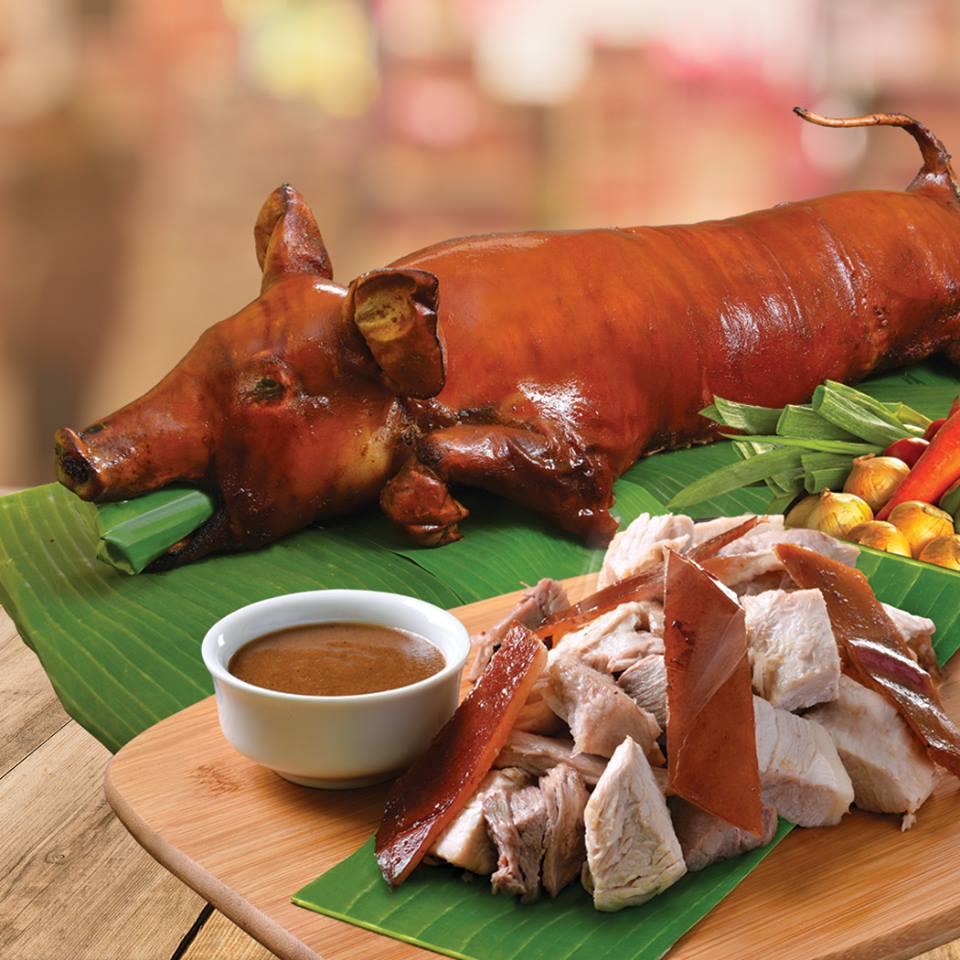
Lechon, or litson in Filipino (or, I suppose, in any Philippine dialect) is basically a roasted pig. The skin of a perfect lechon is crispy, yet it melts in your mouth after the initial bite. The better part is the belly, where the secret herbs and spices come in close contact with the meat.
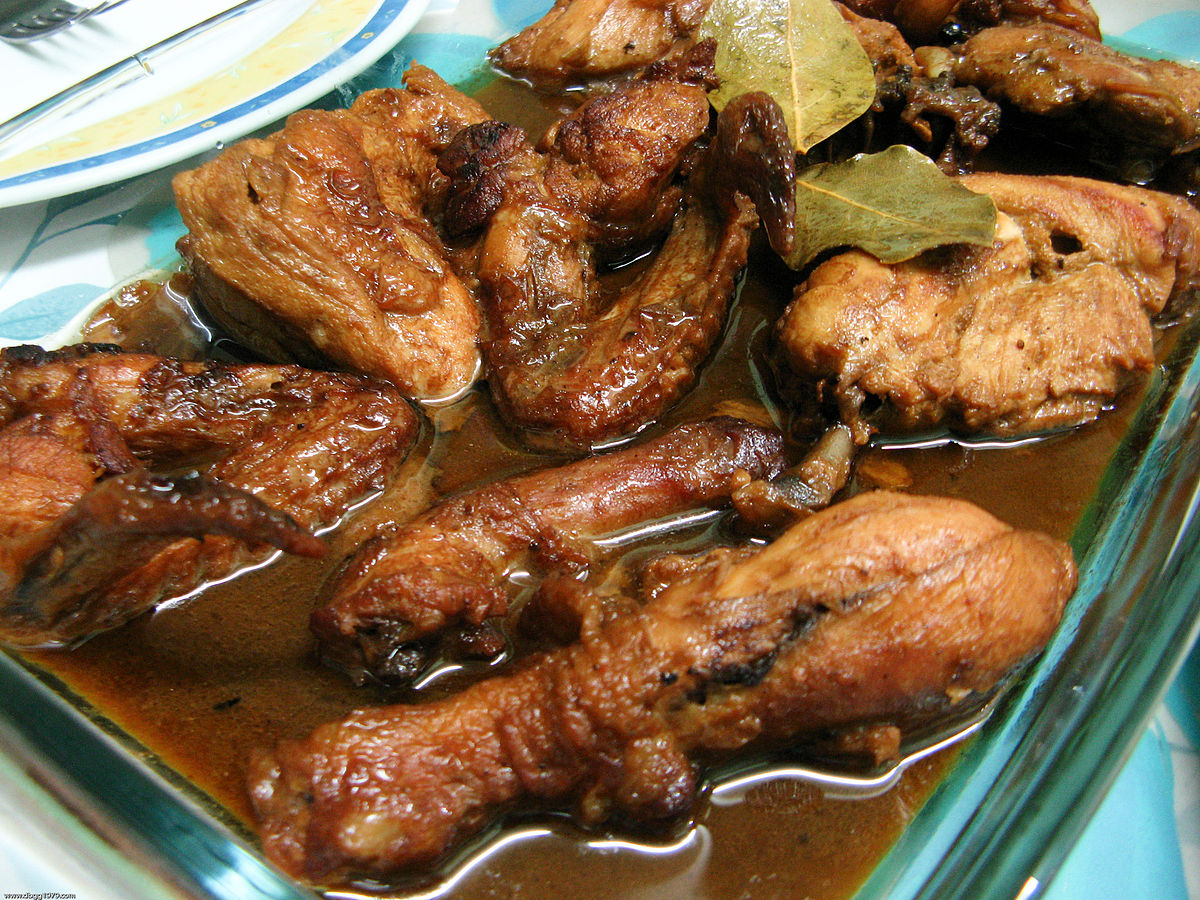
Philippine adobo is a popular Filipino dish and cooking process in Filipino cuisine that involves meat, seafood, or vegetables marinated in vinegar, soy sauce, garlic, and black peppercorns, which is browned in oil, and simmered in the marinade.
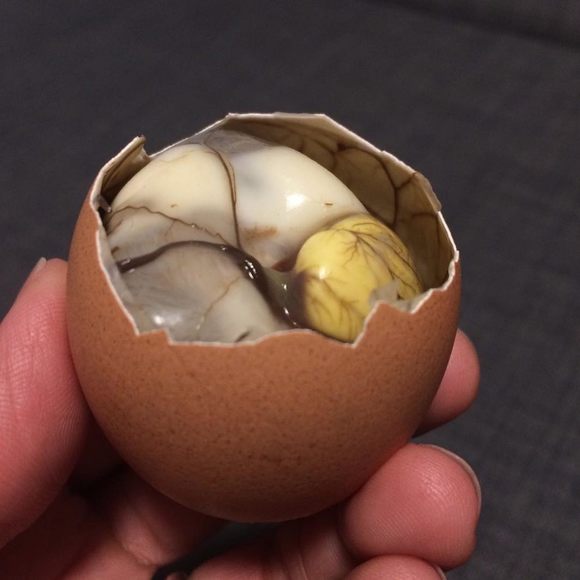
Balut is a developing bird embryo that is boiled and eaten from the shell. It originated from and is commonly sold as street food in the Philippines. The Tagalog and Malay word balot means “wrapped”
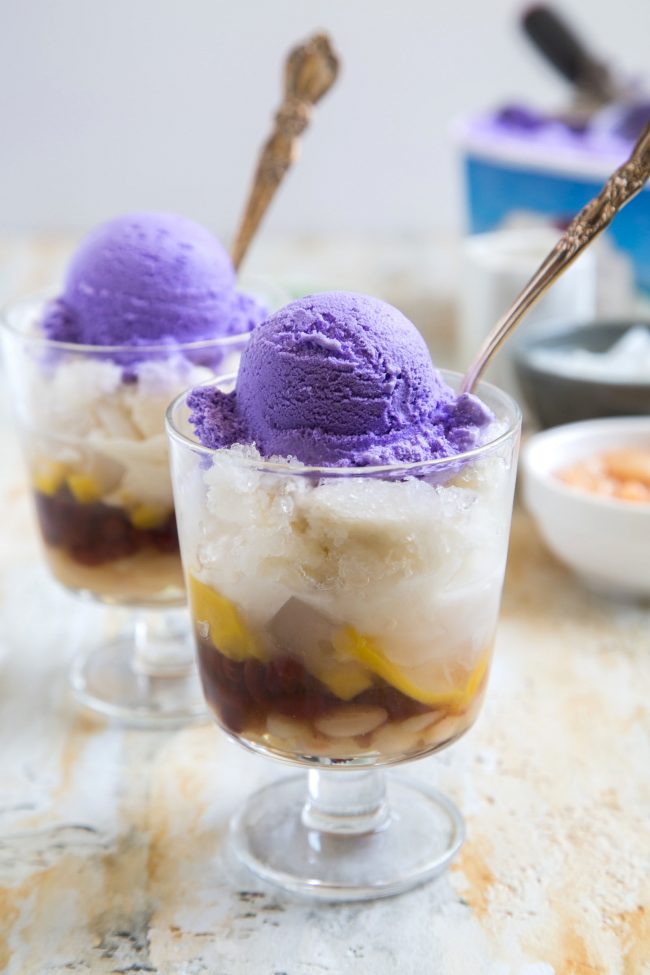
Halo-halo (Tagalog for “mixed”), also spelled haluhalo, is a popular Filipino cold dessert which is a concoction of crushed ice, evaporated milk and various ingredients including, among others, ube, sweetened beans, coconut strips, sago, gulaman, pinipig rice, boiled root crops in cubes, fruit slices, flan, and topped with a scoop of ice cream.
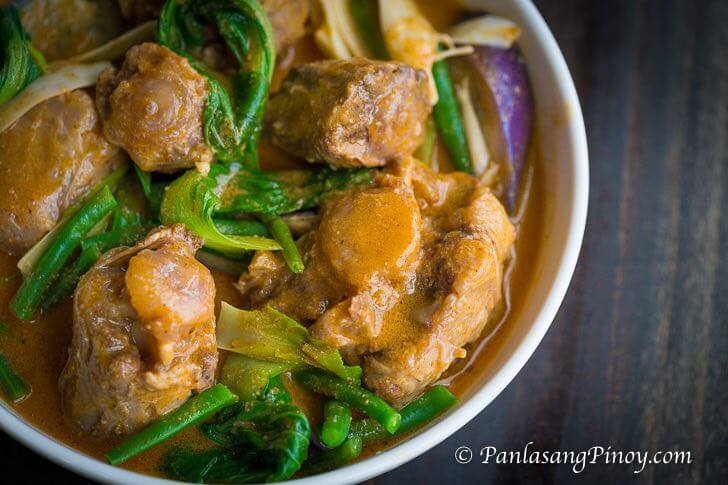
Kare-kare is a Philippine stew complemented with a thick savory peanut sauce. It is made from a variation base of stewed oxtail, pork hocks, calves feet, pig feet, beef stew meat, and occasionally offal or tripe. Kare-kare can also be made with seafood or vegetables.
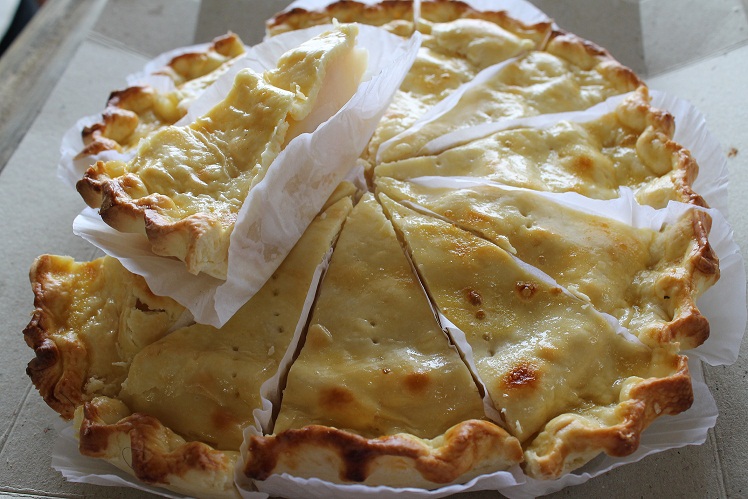
The idea of the buko pie is said to have originated from the province of Laguna in the Philippines. The creators of this Filipino pastry were the Pahud sisters who were locals of the city of Los Baños, Laguna.
This is an example post, originally published as part of Blogging University. Enroll in one of our ten programs, and start your blog right.
You’re going to publish a post today. Don’t worry about how your blog looks. Don’t worry if you haven’t given it a name yet, or you’re feeling overwhelmed. Just click the “New Post” button, and tell us why you’re here.
Why do this?
The post can be short or long, a personal intro to your life or a bloggy mission statement, a manifesto for the future or a simple outline of your the types of things you hope to publish.
To help you get started, here are a few questions:
You’re not locked into any of this; one of the wonderful things about blogs is how they constantly evolve as we learn, grow, and interact with one another — but it’s good to know where and why you started, and articulating your goals may just give you a few other post ideas.
Can’t think how to get started? Just write the first thing that pops into your head. Anne Lamott, author of a book on writing we love, says that you need to give yourself permission to write a “crappy first draft”. Anne makes a great point — just start writing, and worry about editing it later.
When you’re ready to publish, give your post three to five tags that describe your blog’s focus — writing, photography, fiction, parenting, food, cars, movies, sports, whatever. These tags will help others who care about your topics find you in the Reader. Make sure one of the tags is “zerotohero,” so other new bloggers can find you, too.

 Crystal's blog